Wright’s Wharf Bulkhead Project
Supporting Fishing and Aquaculture Jobs
To support Maine’s working waterfront, GMRI renovated the Wright’s Wharf bulkhead to stabilize the wharf and add commercial fishing berths along the Portland waterfront.
Our Goals
- Renovate the decaying metal bulkhead to stabilize the surrounding land.
- Improve the wharf’s facilities to provide berthing for commercial vessels.
- Increase the amount of berthing in the City of Portland for commercial fishermen who own small boats.
- Support the fishing, aquaculture, and seafood supply-chain workforce.
The State of Maine and federal government provided one-time funds to complete the renovation of a wharf and retaining wall at the Gulf of Maine Research Institute. This investment will help to bring the wharf back into operation and provide additional commercial fishing vessel berthing that supports fishing, aquaculture, and seafood supply-chain jobs. The renovated retaining wall will stabilize Wright's Wharf for future construction in support of marine research at sea and for continued long-term marine job development.
Wright’s Wharf, where GMRI’s building and the U.S. Coast Guard’s pier is located, is owned by GMRI. It is supported by a stone and metal bulkhead (a retaining wall) that keeps the wharf from settling into the Fore River. The west-side of the metal length of the bulkhead is severely corroded and needs to be rebuilt.
On November 5, 2019, Maine’s voters passed an infrastructure bond issue that “Provides funds ($1 million) for the renovation of a wharf and bulkhead at the Gulf of Maine Research Institute in Portland to bring the wharf back into operation as secured access and berthing for commercial fishing vessels and to support vessels for marine research at sea that supports continued long-term marine job development.” Between 2020 and 2022, former GMRI CEO Don Perkins secured an additional $2 million in American Rescue Plan Act funds from the Maine State Legislature. With $3 million in public funding secured, GMRI began the project to restore this section of working waterfront, which includes up to four small commercial fishing vessel berths.


Project Team
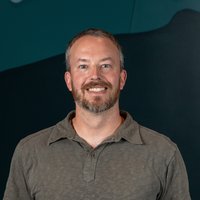
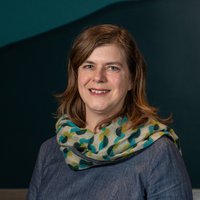
Funder
Partners

-
MAR19
Applying Liberating Structures to Increase Connection & Engagement in CLEs
Delve into some tools from Liberating Structures and discuss applications with other CLE leaders. For folks in a CLE leadership role.
-
MAR23
Applying Liberating Structures to Increase Connection & Engagement in CLEs
Delve into some tools from Liberating Structures and discuss applications with other CLE leaders. For folks in a CLE leadership role.
-
MAR25
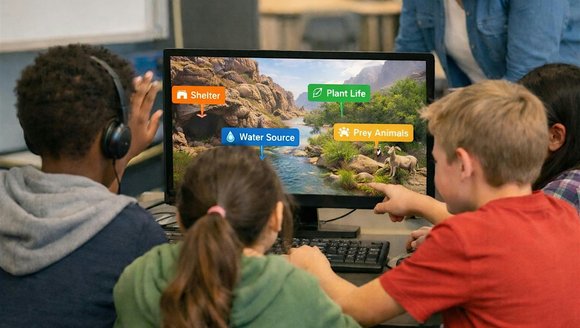
Sensemaking Through Place with VR: Virtual Field Trip Information Session
Join the Stanford Accelerator for Learning VFT Team for an introduction into the world and possibilities of virtual field trips.
-
Starting a Climate Committee: A Personal Guide
In 2024, while living in Woolwich, Dave Berndtson launched the town’s first climate resilience committee. He’s now a resident of Arrowsic (and a member of …
Perspectives
-
What does climate readiness look like for Maine’s towns?
Climate readiness looks different in every community, with each facing its own unique risks, priorities, and visions for the future. Through sustained relationships, place-based data, …
Perspectives
-
2025 Gulf of Maine Temperature Report
Over the past decade, our scientists have led a body of research that highlights temperatures in the Gulf of Maine. To keep you informed, we …
Reports
-
Atlantic Meridional Overturning Circulation (AMOC) 101
This 101 explainer breaks down what the AMOC is, how it influences climate, what scientists are observing now, and what a changing AMOC could mean …
Explainers