Your Favorite Stories from 2025
Perspectives | Dec 17, 2025
Take a look back at some of our most-read stories in 2025.
As we reflect on the past year, these are the stories that drew the most attention from our community in 2025.
Celebrating Alewives
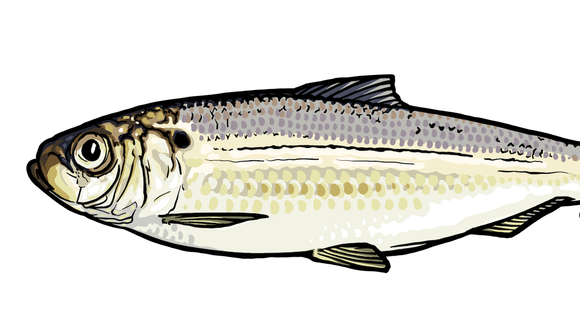
The Alewife Journey: A Conservation Success Story
Every spring, alewives make an epic journey from the ocean to Maine's rivers and lakes, carrying vital nutrients that sustain entire ecosystems. Discover why scientists …
Perspectives|Apr 17, 2025
On a spring evening at the Gulf of Maine Research Institute, guests gathered for the premiere of a film celebrating one of Maine’s most remarkable seasonal phenomena: the migration of the alewife.
Following the screening, a panel of four local experts — two from GMRI and two from the Presumpscot Regional Land Trust — offered reflections that brought rich ecological context, local success stories, and plenty of personal passion to the discussion.
Intro to Aquaculture
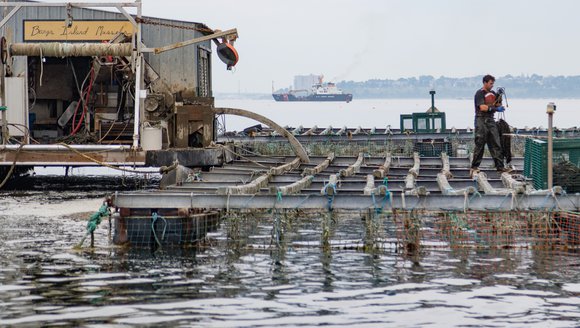
Aquaculture 101
Aquaculture is quickly gaining popularity in our region, so we created a brief overview for you about what aquaculture is and its role in the …
Explainers|Mar 20, 2025
Aquaculture is the practice of cultivating seafood in a controlled environment rather than harvesting it from wild populations. Think of it as farming in the sea — except instead of corn and cattle, aquaculturists raise sea vegetables, fish, and shellfish.
"There’s a lot of the same similarities as farming on the land, but you're just in the ocean. We even use many of the same terms that farmers do. For example, when the farmed animals are really small, we call them seed." Carissa Maurin, Aquaculture Program Manager
Aquaculture is rapidly growing in popularity. Today, it accounts for nearly half of global seafood production, a figure that continues to rise as it outpaces the production rate of wild harvesting.
Reporting on Rapid Warming
2024 Gulf of Maine Warming Update
Over the past decade, our scientists have led a body of research that highlights the rapid pace of warming in the Gulf of Maine. To …
Reports|Feb 14, 2025
The Gulf of Maine experienced its twelfth-warmest year in 2024. Sea surface temperature anomalies varied seasonally. Below-average SSTs that began in 2023 gave way in 2024 to summer temperatures that rose above long-term averages. Cooler conditions returned again late in the year. The conditions seen in the Gulf of Maine were a departure from the record-setting temperatures seen elsewhere in the North Atlantic and across the world’s oceans.
Highlights from the Year
- In 2024 the Gulf of Maine experienced its 12th warmest year on record with an annual average sea surface temperature (SST) of 51.51°F — more than 0.88°F above normal.
- The warmest SST anomalies were concentrated in the summer and fall, with cold anomalies occurring in the winter months at the start and end of the year.
We publish these annual warming updates each year, so keep an eye out for our 2025 annual warming update in February, 2026.
Understanding Marine Heatwaves
Marine Heatwaves 101
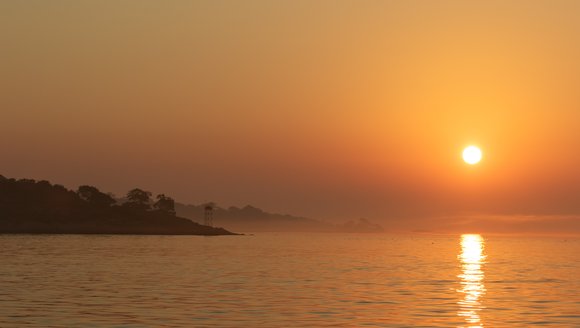
Learn about what marine heatwaves are and how they can disrupt coastal ecosystems and the communities that depend on them.
Explainers|Jun 5, 2025
In recent years, the Gulf of Maine has emerged as a hotspot of ocean warming — a place where the impacts of climate change are accelerating faster than most other parts of the global ocean. One indicator of this trend is the rise in marine heatwaves (MHWs): extreme periods of elevated sea temperature that impact ecosystems and coastal economies alike.
In this blog, we explore what these events are, their frequency, and how they ripple through the Gulf of Maine and the communities that depend on it.
Carbon Sequestration, Explained
Carbon Sequestration 101
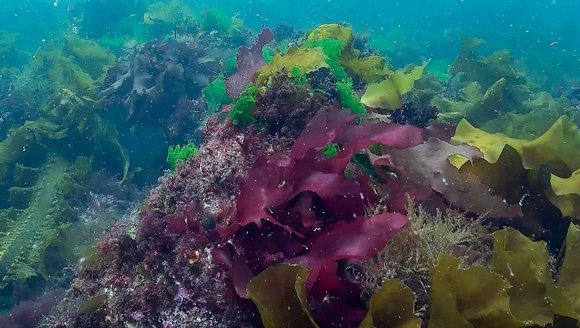
Earth's natural carbon sinks have already absorbed about half of all the CO₂ humans have ever emitted—but how does it actually work? Get the essentials …
Explainers|Aug 14, 2025
As global temperatures rise and carbon dioxide (CO₂) concentrations continue to climb, scientists, policymakers, and communities are exploring every tool available to slow climate change.
One of the most powerful processes we know about is the sequestration of carbon, which includes both natural and technology-driven processes that help stabilize our climate by reducing the amount of CO₂ in the atmosphere.

Monitoring Casco Bay
2024 Casco Bay Ecosystem Monitoring Report
Dive into the latest findings from a decade of nearshore monitoring in one of the world's fastest-warming marine ecosystems.
Reports|Feb 11, 2025
Over the last several decades, we've seen dramatic ecosystem changes in the Gulf of Maine. We've observed population spikes and declines, habitat loss and recovery, and the appearance of new species that typically occur in regions to our south.
We are conducting long-term, nearshore monitoring to learn about the pace and direction of these changes in our region. Read on to dive into our key findings.
We published this report at the start of 2025, and will be publishing our findings from the 2025 year in early 2026.
All About Fisheries
Fisheries 101
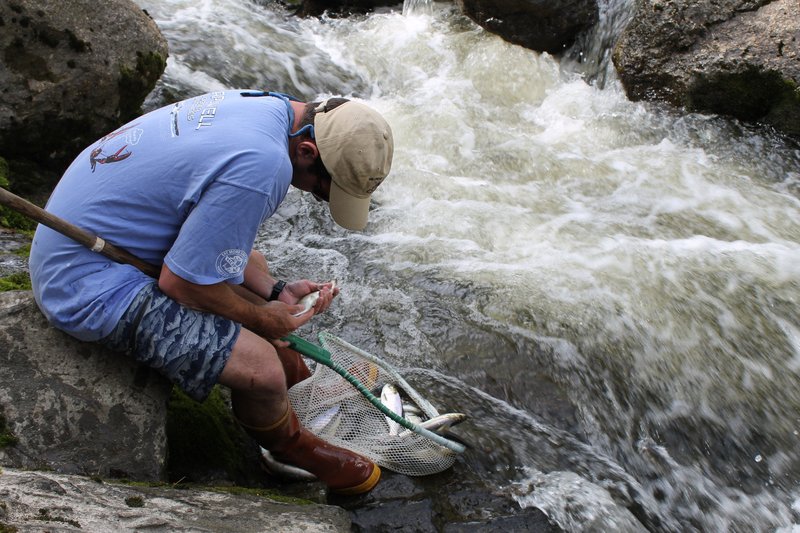
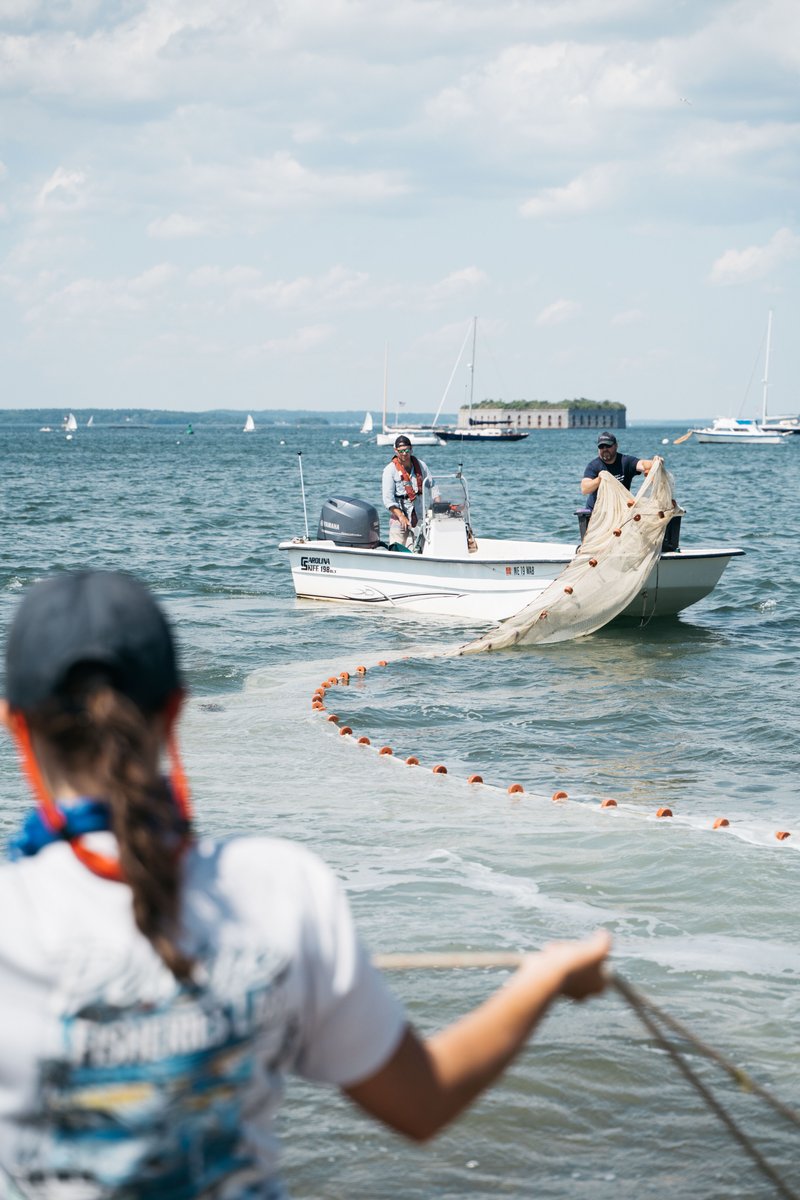
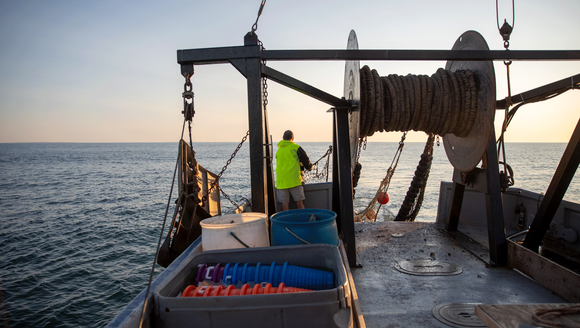
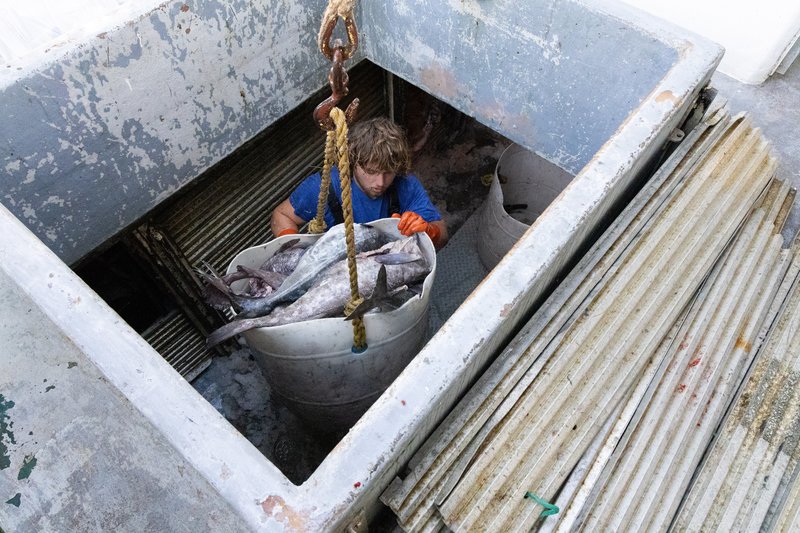
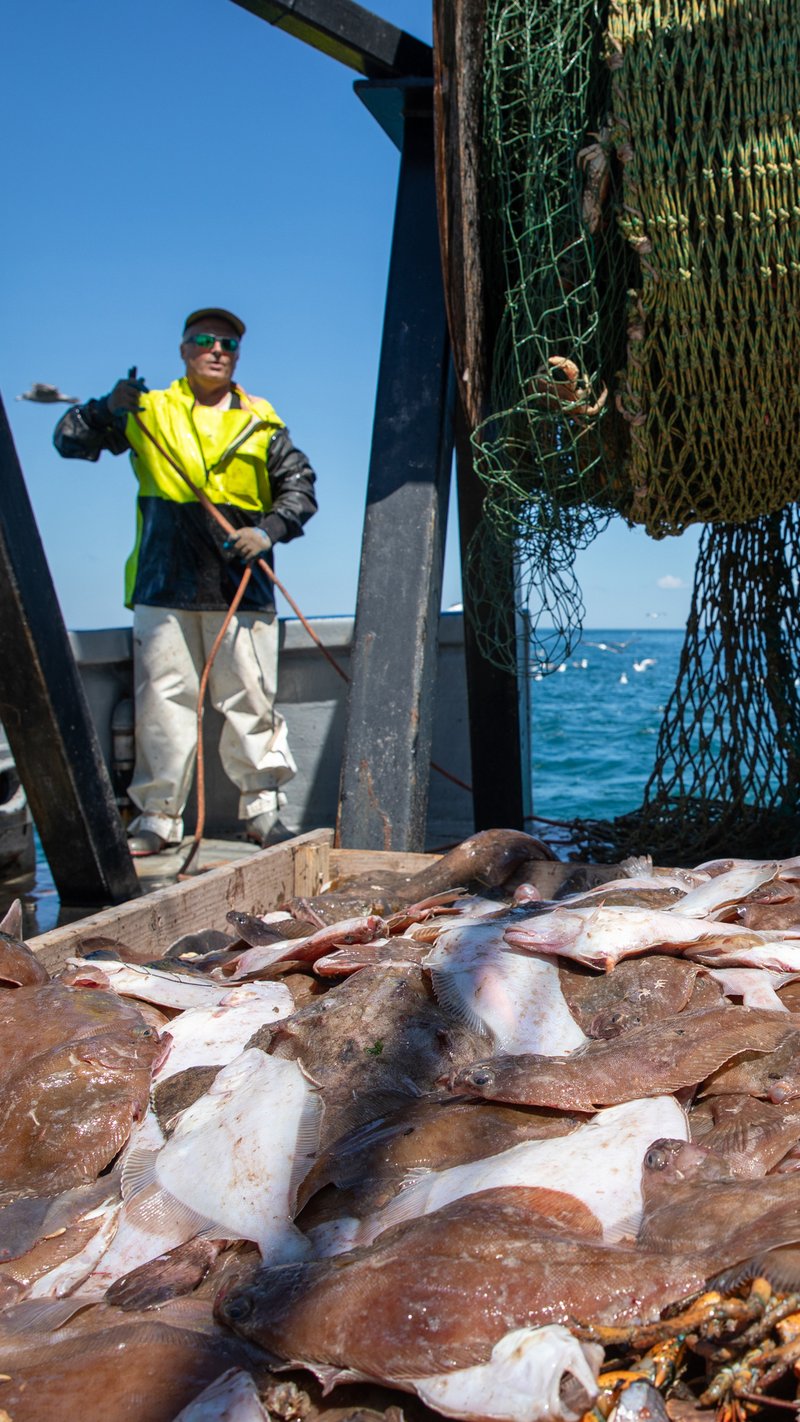
Fisheries are the backbone of our state's economy and cultural heritage, but these systems are complex, and managing them even more so. Read on for …
Explainers|Nov 12, 2025
When you live in a coastal state like Maine, it is easy to hear terms like “fisheries” and “fisheries management” without ever stopping to consider their true meaning. Yet these concepts shape everything from the seafood available at your local market to the future of Maine’s working waterfronts. This overview breaks down what fisheries are, why they matter, and how they are managed to support both healthy ecosystems and thriving coastal communities.
Celebrating 20 Years of Impact
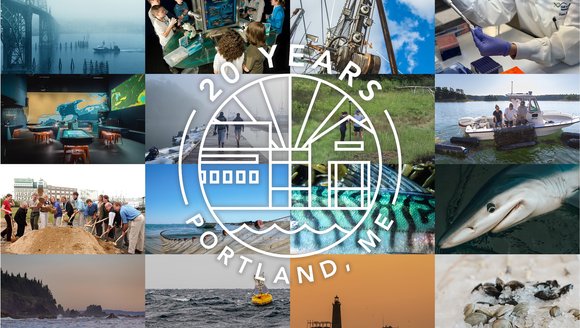
20 Years on the Waterfront: Reflecting & Looking Ahead
Celebrating our collective journey toward a thriving future
Perspectives|Jun 3, 2025
In 2005, we opened our state-of-the-art, 44,000-square-foot marine research and education facility on Portland’s waterfront. This milestone marked a pivotal transition from our origins as the Research Institute of the Gulf of Maine, founded in 1968, and our later ambitions in 1988 to build an aquarium, into a world-class center dedicated to ocean stewardship and economic growth in the Gulf of Maine region and beyond.
The facility not only advanced our research capabilities but also became a hub for educational innovation and community engagement. In the two decades since, it has served as a launchpad for groundbreaking science, transformative learning experiences, and powerful partnerships — all in pursuit of our mission to develop solutions to global ocean challenges.
The milestones in this blog represent more than moments in our history; they’ve prepared us for what comes next. As we take this moment to celebrate our anniversary of 20 years on the waterfront, we also look to a future in which we are poised to drive even greater impact in support of ocean ecosystems, communities, and economies that thrive for generations to come.
New Capacity: Climate Finance
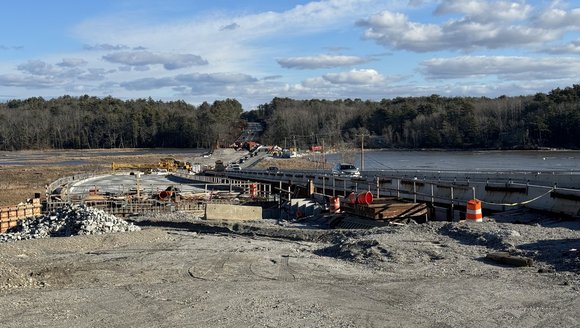
Introducing our Climate Financing Program
Our Climate Financing Program is designed to help communities overcome the financial barriers to climate action. Whether supporting disaster recovery or enabling proactive investments in …
Perspectives|Jan 30, 2025
The Gulf of Maine is warming faster than nearly any other part of the world’s oceans, creating significant challenges for communities in the region. Rising sea levels, extreme weather, and shifts in the marine ecosystem threaten infrastructure, livelihoods, ecosystems, and ways of life. These changes highlight the urgent need for communities to invest in climate resilience and future-proof their economies. However, the financial costs involved with building climate resilience and implementing adaptation strategies is a major challenge.
Our Climate Financing Program is designed to help communities overcome these financial barriers to climate action. Whether supporting disaster recovery or enabling proactive investments in climate resilience, we work closely with communities to plan, fund, and execute projects that meet their goals.
Supporting Teachers & Students
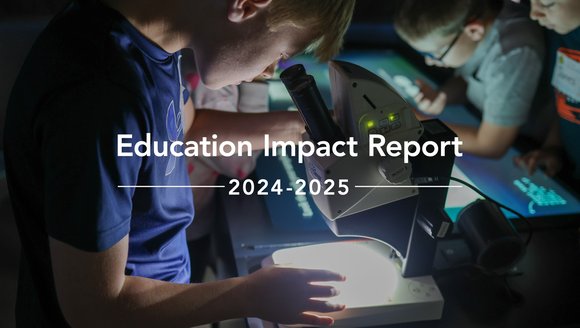
2024 – 25 Education Impact Report: 20 Years of Learning
Read on to see some of the ways our education team made an impact across the state and beyond in the 2024 – 2025 school …
Reports|Sep 3, 2025
Our education team cultivates the next generation of climate-literate ecosystem stewards by engaging students in authentic science inquiry and supporting educators to do the same. Through our integrated educational programs, we immerse students in real ecosystem research that exposes them to the science tools, practices, and role models they need to succeed in school, careers, and everyday life.
This year, we're celebrating 20 years of impact for GMRI and our education team. We launched the first iteration of our LabVenture program in 2005 with “Mystery of the X-Fish," a learning experience centered on Atlantic herring. Since then, we’ve expanded and evolved to address ecosystem shifts in the Gulf of Maine watershed and meet the changing needs of our students, educators, and partner organizations.
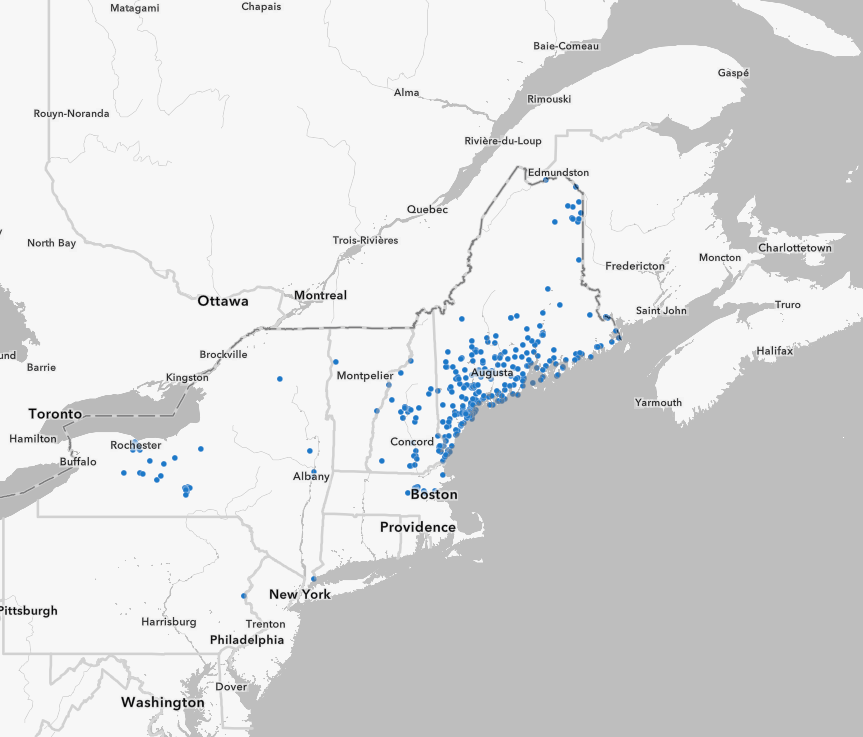
Thank you to our partners and collaborators who help make this work possible. We look forward to the year ahead and continuing our commitment to the Gulf of Maine and the people who rely on it.